
Touch Typing Software for Autism and Aspergers
Why does touch typing help children with Autism?
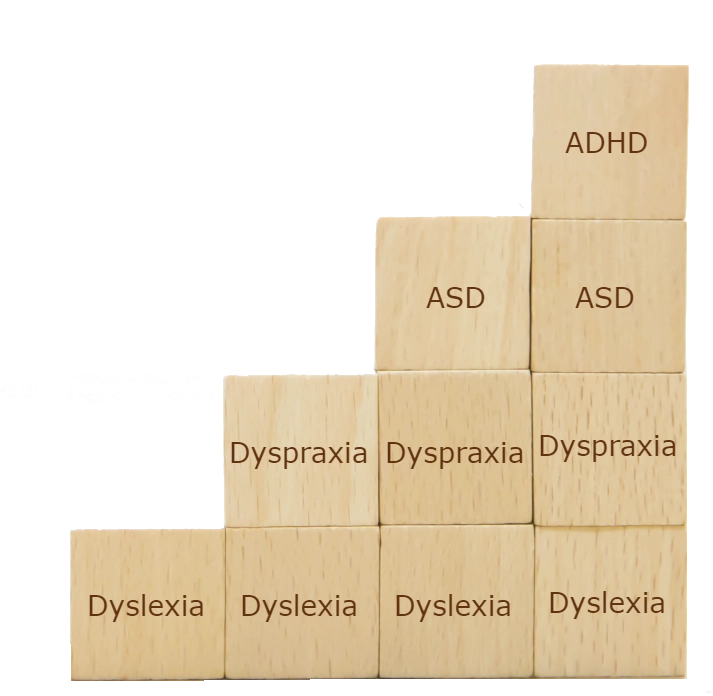
Some autistic children find it hard to express their ideas in writing. Handwriting can be slow and frustrating. This can make it harder for pupils to show what they know and what they can do. Some children also have dyslexia, dyspraxia or ADHD, which may add to the challenges they face at school.
Touch typing can help children put their thoughts into words with less effort. It can be faster than handwriting or typing with one or two fingers. This helps them focus on their ideas rather than how to write them down.
Learning to touch type also builds useful computer skills for school and future work. With the right support, autistic children can gain confidence in their skills and feel more positive about their progress.
Why choose Englishtype?
Englishtype’s design supports children with autism, dyslexia and dyspraxia. It makes learning to type clear, fun and easy to follow.
Created by an expert in how children learn, with a focus on dyslexia
Designed for the UK National Curriculum to build reading, writing and typing skills
Uses colour coding to help fingers learn where each key is
Introduces letters based on finger movements to make learning easier
Uses sight, sound, reading and typing to help children learn
Offers a choice of 8 screen background colours
Uses carefully chosen words, with 3 levels to choose from
Builds muscle memory through practice with common, useful words
Includes extra spelling lessons to help children learn more words
Offers a range of tasks to help typing become a natural skill
Includes tools for teachers to manage lessons and track progress
Used in schools and at home for over 25 years
Built by award-winning game designers to make learning fun


Englishtype Autism & Aspergers Success Stores
“My pupils struggle with hand writing… typing means they can see their finished work is organised, neat, tidy, all the letters are the same size and shape, teachers can read it and don’t put red marks all over it!! Computer skills level the playing field for our autistic pupils have those skills. Englishtype is very good for autistic pupils for the following reasons
- Autistic children need a multi-sensory approach to learning and the kinaesthetic/visual/auditory nature is great for our pupils. They receive information through various channels, which improves learning
- Each lesson has a defined structure, which appeals… knowing where to start, how long to work for, a clear finish
- It is totally predictable – the same format every time they go onto it
- An immediate reward system at the completion of each lesson
- The games are like the computer games all children respond to and therefore worth working towards
- Colours are bright & attractive but do not flash, jump about or change which would confuse and distract from the task (other programmes I have considered have American voices, flashes of colours and letters). Stimuli need to be restricted or stress levels are raised.
- Self directed learning is flexible and children can work at their own pace
- Different background colours if one does not suit them, with sound on or off or low volume as all autistic children have strong or even painful reactions to intensity of sound, light or colour to varying degrees
- Englishtype shows accuracy and the WPM score, important to some of the pupils and surprisingly sometimes not, as some prefer the reward system (gems, outfits, trophies, etc) rather than the statistics.
“Although we have not been able to use the program intensively, that is part of the beauty of it: it is flexible and adaptable, an essential requisite when working with children on the Autism continuum. We have to adapt it to the individual child, the availability of TAs, the timetable, avoiding over-stimulation or boredom, whether the computers are available, distractions in the classroom etc, and Englishtype allows us to do that.”
Specialist teacher, The Austism Unit, Worcestershire
An intervention with pupils with Dyslexia & Autism or dual diagnosis (some receive funding, others do not).
“They all struggle to get their ideas down in writing. Their writing is not comparable to their cognitive abilities. Every single child loves it (Englishtype). They are happy to come every morning – a few come early. I was initially a bit worried re the children I’d chosen as they have such a wide range of needs. They all enjoy the program, and are all progressing through it at their own pace. They are all independent which is great. Four of the pupils receive a high level of support in class so it’s lovely to see them being independent. One child needs prompts to stay focused, but this is improving as he unlocks levels and receives stickers etc. For one child, who has a diagnosis of Asperger’s, it’s revolutionary. I have never seen him so enthused about anything other than the periodic table! This is going to make a huge different to the quality of his literacy work as he finds the physical aspect of writing a challenge. He’s happy being part of a big group and is engaging with his peers. It is worth it just to observe his reaction”.
SENCo, Primary School, Leeds
Explore more information on Special Needs
Dyslexia
Find out more
Dyspraxia
Find out more
Autism & Aspergers
Find out more
Vision Impairment
Find out more